






Potting Mix & Indoor Plant Substrates


Potting Mix & Indoor Plant Substrates — Built for Roots That Want to Work
Potting mix isn't dirt. It's the engine room of your plant — drainage, aeration, water retention, and nutrient delivery, all bundled into a bag. The right mix means roots can breathe, water moves through cleanly, and your indoor plants stop sulking. The wrong one means root rot, gnats, and a slow-motion funeral. Our potting mix and indoor plant substrate range covers everything from premium indoor blends and propagation mixes to coco coir, perlite, and inert hydroponic media — all from brands we trust, shipped Australia-wide.
Choosing the Right Potting Mix
Indoor Substrates vs Outdoor Garden Soil
Indoor plants live in pots, not paddocks. That means no earthworms, no rain, no natural soil refresh — just whatever you put in the container. Generic garden soil compacts in pots, holds too much water, and often brings pests indoors. Purpose-built potting mix is sterile, light, and designed to perform inside four walls.
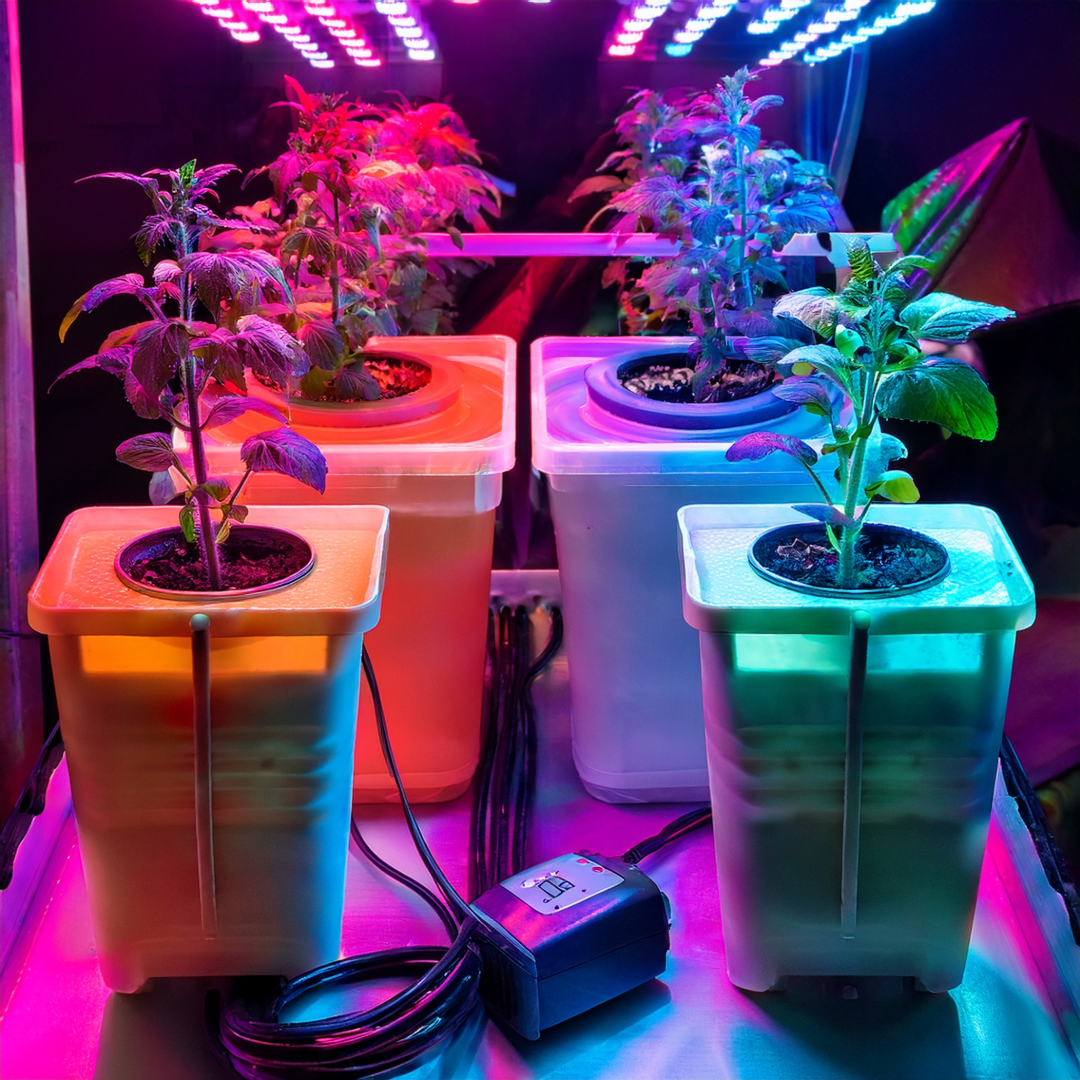
If you're growing hydroponically or in a tent, you'll likely skip traditional potting mix altogether and run coco coir, expanded clay (LECA), or a coco-perlite blend. These give you full control over feeding and faster turnaround between cycles.
Pair Your Mix With the Right Gear
Potting Mix FAQ
Welcome to The Grow Guys
We built The Grow Guys from the soil up — well, coco and perlite. Before we sold gear, we bought it, ran it, and learned the hard way what's worth the money and what ends up in the shed. That's the filter everything on our shelves passes through. No sales scripts, no rebadged junk, no telling you what you want to hear. Just gear we'd run ourselves and advice from people who actually grow. Chasing higher yields, tighter flowers, or your first harvest? You're in the right place.


FAQs
Calculated at checkout by weight and destination. Free shipping over $499*.
Order by 2pm and it ships the same business day from Invermay, Tasmania.
500+ products across 40+ brands, every one filtered through 14 years of real growing experience. Shipping Australia-wide.
30-day change-of-mind returns on unopened, unused products. A 10% restocking fee applies and return shipping is at your cost.
Call, email, or walk into the Invermay shop. You'll get a grower on the other end, not a script.